The small, rare moss Scapania apiculata has high demands on its habitat. It only grows on hard, dead wood that is occasionally flooded by water. When SCA found the moss, on the remains of a collapsed wooden bridge in the river Skavån, on the border between Jämtland and Medelpad, we cut more than 70 logs and put them in the river to give the moss more habitats. Scapania apiculata can spread quite effectively in waterways, so there is a good chance that the measure will reach a positive result, but it is hard to say how long it will take.
Special efforts for rare species
Some endangered and rare species requires special efforts in order to survive and increase. We do many measures in our Conservation parks, while others are done in selected places where we have found species that need support. Arctic violet, Strix uralensis and Scapania apiculate are among species that SCA is helping. Here you can read about some of our measures.
Examples of measures

Special wood for rare moss

Houses for birds and bats
There is a housing shortage for cavity-nesting birds, and also for bats. To help, we have set up approximately 200 nesting boxes in Sörgraninge conservation park in Ångermanland. Since different species have different needs for their accommodation, factors such as the direction of the wind and how the bird approach the nesting boxes are taken into account when choosing locations for the bird house. In Medelpad, SCA and BirdLife Medelpad collaborate to help Strix uralensis and Strix nebulosa by setting up nest boxes and platforms for them.

Help for rare butterflies
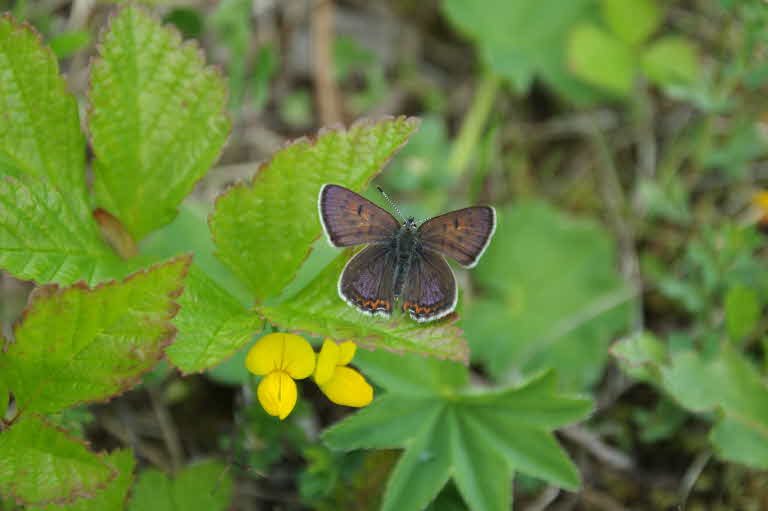
Butterflies under threat have found a refuge in Jämtkrogen Butterfly Park, where SCA and the county administrative boards of Jämtland and Västernorrland have a rescue program. Sunny clearings and flourishing roadsides will promote the recovery of the Baptria tibiale, the Lycaena helle and other rare species. And the measures have already produced results. SCA has also taken measures for the baptria tibiale and the lycaena helle in an area in Ångermanland.

Burning benefits soil fungi
SCA's prescribed burning of sand pine forest in Sörgraninge Conservation park has favored the presence of soil fungi. This is shown by the annual inventories that have been made since 2018. After the burning, several demanding sand pine species have emerged with their fruiting bodies. It seems that, thanks to the burning, they have better opportunities to spread spores that can germinate in the exposed mineral soil. But their behavior can vary between years depending on, for example, drought, heavy rain or cold.

Embankments helps sand martins
SCA has restored embankments in old gravel pits in Ånge to help sand martins (Riparia riparia). Its natural breeding environment includes cliffs or riverbanks. However, following the regulation of watercourses this type of habitat has become less common. Instead, many sand martins have built colonies in sand and gravel pits. SCA has recreated steeper slopes in two old pits and removed trees and bushes. BirdLife Medelpad has provided expertise and will follow the progress of the recolonization.

Measures to benefit Arctic violet
In Fåssjödal in Härjedalen, SCA has set aside approximately 100 hectares of land called Fåssjödal forest. Here is a large number of the very beautiful, but endangered flower Arctic violet (Pulsatilla vernalis). We have done prescribed burnings and other measures to benefit it. The hope is that the measures will cause more plants to bloom and set seeds. The work takes place in collaboration with the County Administrative Board in Jämtland County.SCA has also done burnings In the district of Ångermanland to benefit the mosippa.
Read more about

Species Commitment and habitats
Our forests have a variety of flora and fauna. To make our nature conservation measures even more effective we preserve, develop and recreate the habitats that are important for species that are disadvantaged by forestry. This will help us achieve an even greater precision in our work with biodiversity.

Landscapes for endangered species
SCA have designated ten areas as Action Plan landscapes, due to their high concentration of species that are particularly sensitive and require specific management for their habitat. By promoting these species, we can promote several other that also benefit from our measurements.

Indicators for biodiversity
Dead wood and old forest are a few examples of indicators for biodiversity in the forest. This means they represent important factors to ensure a diversity of species. SCA tracks the development of five key indicators in our holdings over time and the result has been very positive. The different indicators have risen by about 25-90% in a relatively short period.